

Has Implanting Chips in the Human Brain Really Begun? The Future Might Be Closer Than You Think
For years, the idea of placing a chip inside the human brain belonged to science fiction.
Movies showed humans controlling machines with their thoughts, merging with technology, or even becoming part machine.
Most people assumed this was something far in the future—maybe even impossible.
But today, the question has changed:
👉 Has this technology actually started?
The answer is surprisingly clear:
Yes, it has started—but it’s still in its early stages.
In this article, we’ll explore:
- what brain chips really are
- how they work
- whether they are already being used
- what they can do
- the risks involved
- and what the future might look like
What Is a Brain Chip?


A brain chip is part of a technology called:
👉 Brain-Computer Interface (BCI)
This system allows direct communication between the brain and a digital device.
It works by:
- reading brain signals
- converting them into digital data
- sending them to a computer or machine
In simple terms:
👉 Thought → Command
This means:
- you could control a cursor with your mind
- type without using your hands
- control machines just by thinking
Does This Technology Really Exist?


Yes, it does.
The most well-known company working on this is:
👉 Neuralink (founded by Elon Musk)
But it’s not alone. Other companies include:
- Synchron
- Blackrock Neurotech
These companies are actively developing brain-computer interfaces.
👉 This is no longer just an idea—it’s real technology.
Have Human Trials Already Happened?

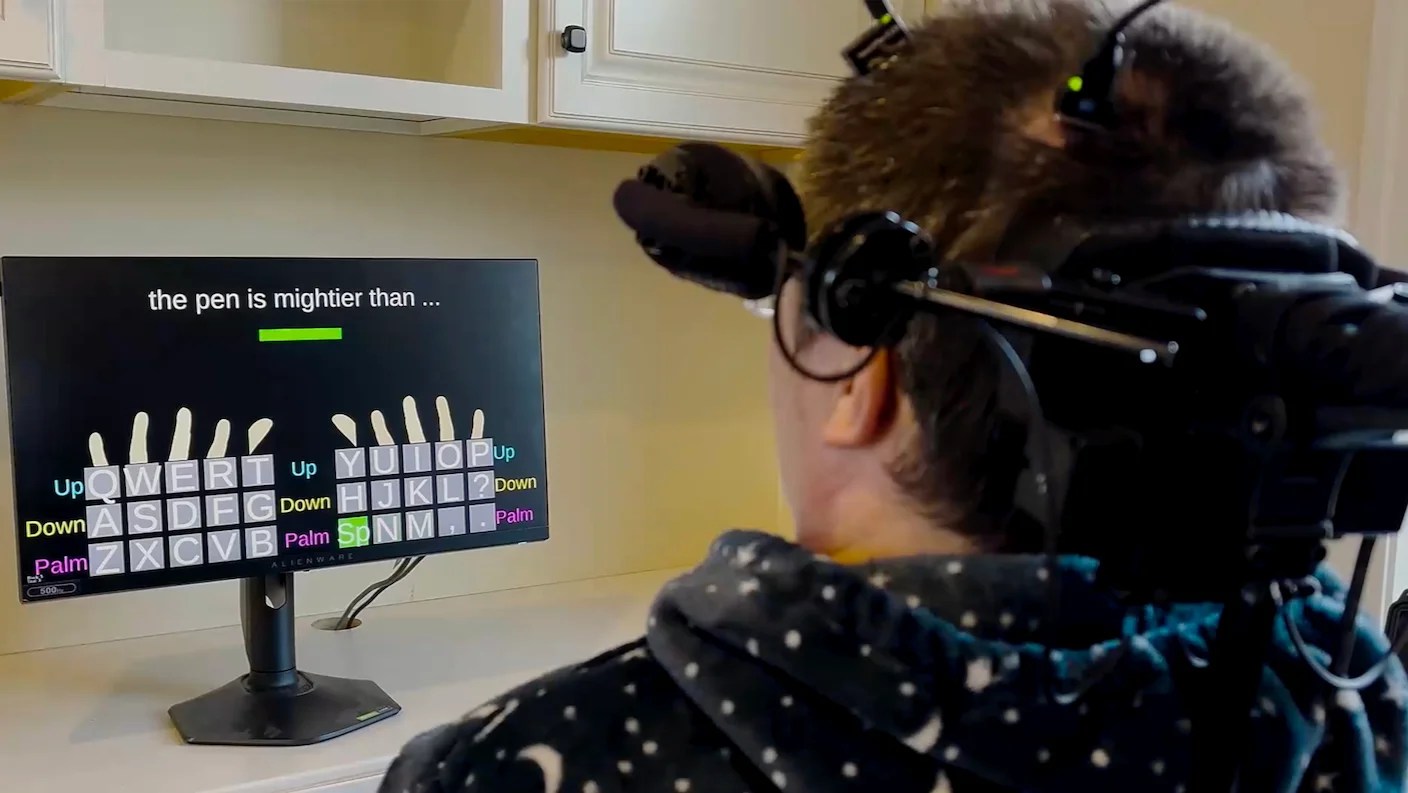

Yes.
In recent years, trials have been conducted on:
- paralyzed patients
- individuals with severe motor disabilities
The results are impressive:
👉 patients were able to:
- move a cursor using their thoughts
- type text
- control digital devices
This proves one key point:
Direct communication between the brain and machines is now possible.
How Do Brain Chips Work?

The human brain operates using:
👉 electrical signals
Brain chips use tiny electrodes to:
- detect these signals
- translate them into data
- send them to external devices
So essentially:
👉 Your thoughts become data
What Are Brain Chips Used For?


The most important current applications include:
1. Treating Paralysis
Helping people regain control over movement or communication
2. Communication
Allowing people who cannot speak to interact digitally
3. Device Control
Controlling computers, phones, or machines using thought alone
But Is That the Final Goal?
Not really.
The long-term vision is much bigger:
👉 Human + Machine Integration
This could mean:
- accessing the internet with your mind
- storing or retrieving information instantly
- merging biological intelligence with artificial intelligence
The Risks: What Could Go Wrong?

As powerful as this technology is, it comes with serious concerns.
Physical Risks:
- brain surgery complications
- infection
- hardware malfunction
Digital Risks:
- data privacy
- hacking
The most alarming possibility:
What if someone could access or manipulate your thoughts?
Ethical Questions


This technology raises difficult questions:
- Will thoughts remain private?
- Could people be controlled?
- Will access be equal or limited to the wealthy?
These are not just technical issues—they are ethical ones.
The Future: Humans or Something Else?


In the future, humans may not remain purely biological.
We may become:
👉 part human, part machine
This idea is known as:
👉 Transhumanism
A movement that supports enhancing human abilities through technology.
The Most Important Truth
This technology has already begun—but it’s still in an early stage.
We are not yet at the level of full brain-machine integration.
But the direction is clear.
Final Conclusion
Brain chips are:
- real
- evolving
- and advancing faster than expected
They already have the potential to:
- restore lost abilities
- change how we interact with technology
- redefine what it means to be human
And the most important takeaway:
The future is not far away—it’s already starting.

You must be logged in to post a comment.