

Why Is NATO Important? How Power Is Balanced Between the United States, Europe, and Russia
NATO is not just a military alliance—it is one of the most influential structures shaping the modern global security system. Established in 1949 as a response to the Soviet Union, NATO has not only survived the end of the Cold War but has expanded its role and influence in today’s geopolitical landscape.
Understanding NATO today means understanding how global power is distributed between the United States, Europe, and Russia. It is not simply about defense; it is about strategy, influence, and control over geopolitical balance.
The question “why is NATO important” cannot be answered in a single dimension. NATO operates both as a security mechanism and as a strategic tool that shapes global power dynamics.
Why Was NATO Created and Does It Still Serve the Same Purpose Today?


4
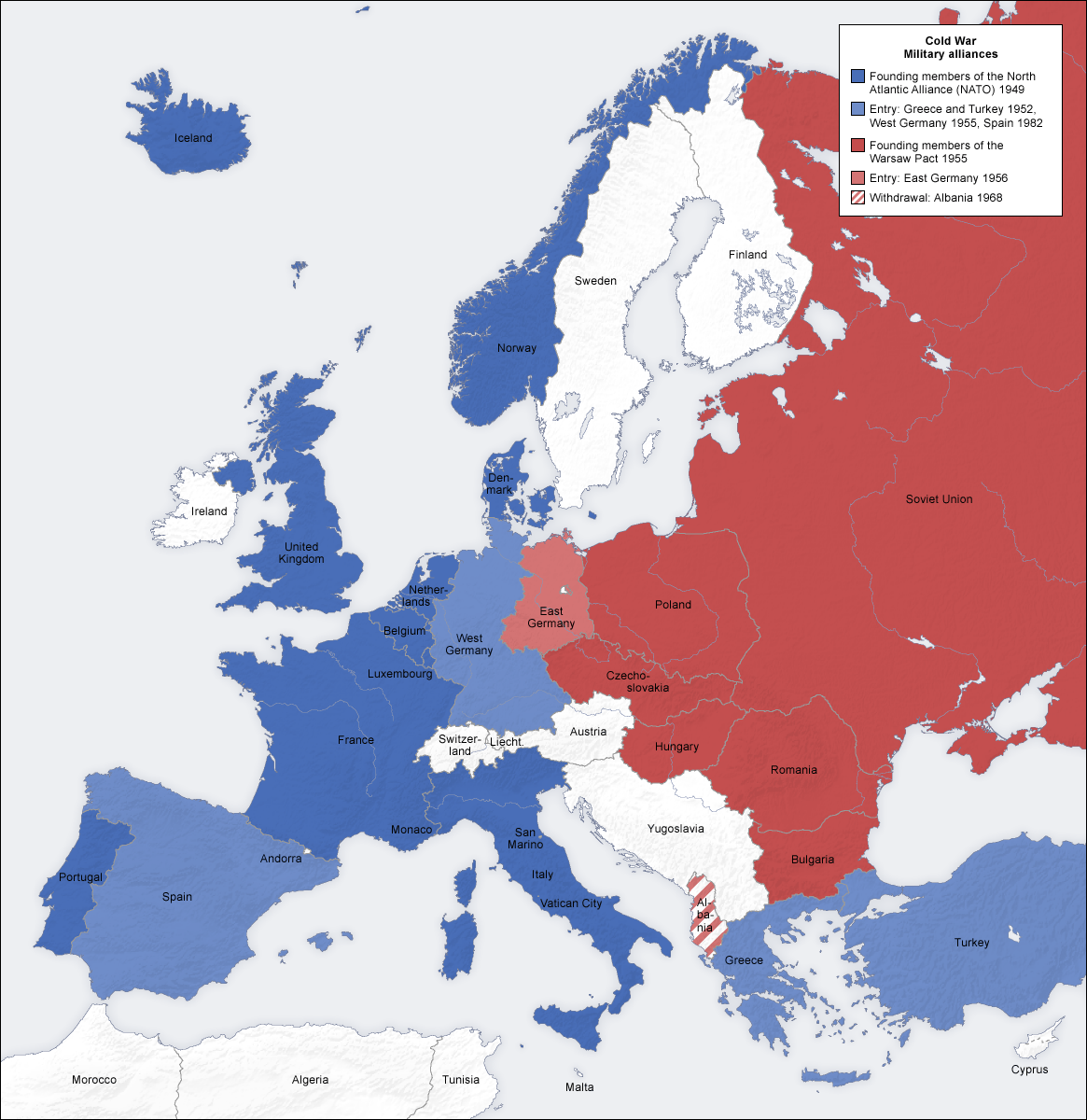
NATO was originally created to counter the influence of the Soviet Union in Europe.
Its core principle is collective defense—an attack on one member is considered an attack on all. This concept ensured security for Western Europe during the Cold War.
However, after the collapse of the Soviet Union, NATO did not dissolve as many expected. Instead, it adapted and expanded its role.
Today, NATO is not limited to defense. It is involved in crisis management, international interventions, and maintaining geopolitical stability in a rapidly changing world.
Why Is the United States the Dominant Power Within NATO?
The United States is the central force within NATO.
It contributes the largest share of military spending, possesses unmatched technological capabilities, and maintains a global network of military bases.
This gives the U.S. a decisive influence over NATO’s strategic direction.
Although countries like Germany, France, and the United Kingdom are key members, the balance of power within NATO remains heavily U.S.-centric.
In practice, NATO functions not just as an alliance, but also as a platform through which the United States extends its global influence.
How Has NATO Expansion Increased Tensions with Russia?

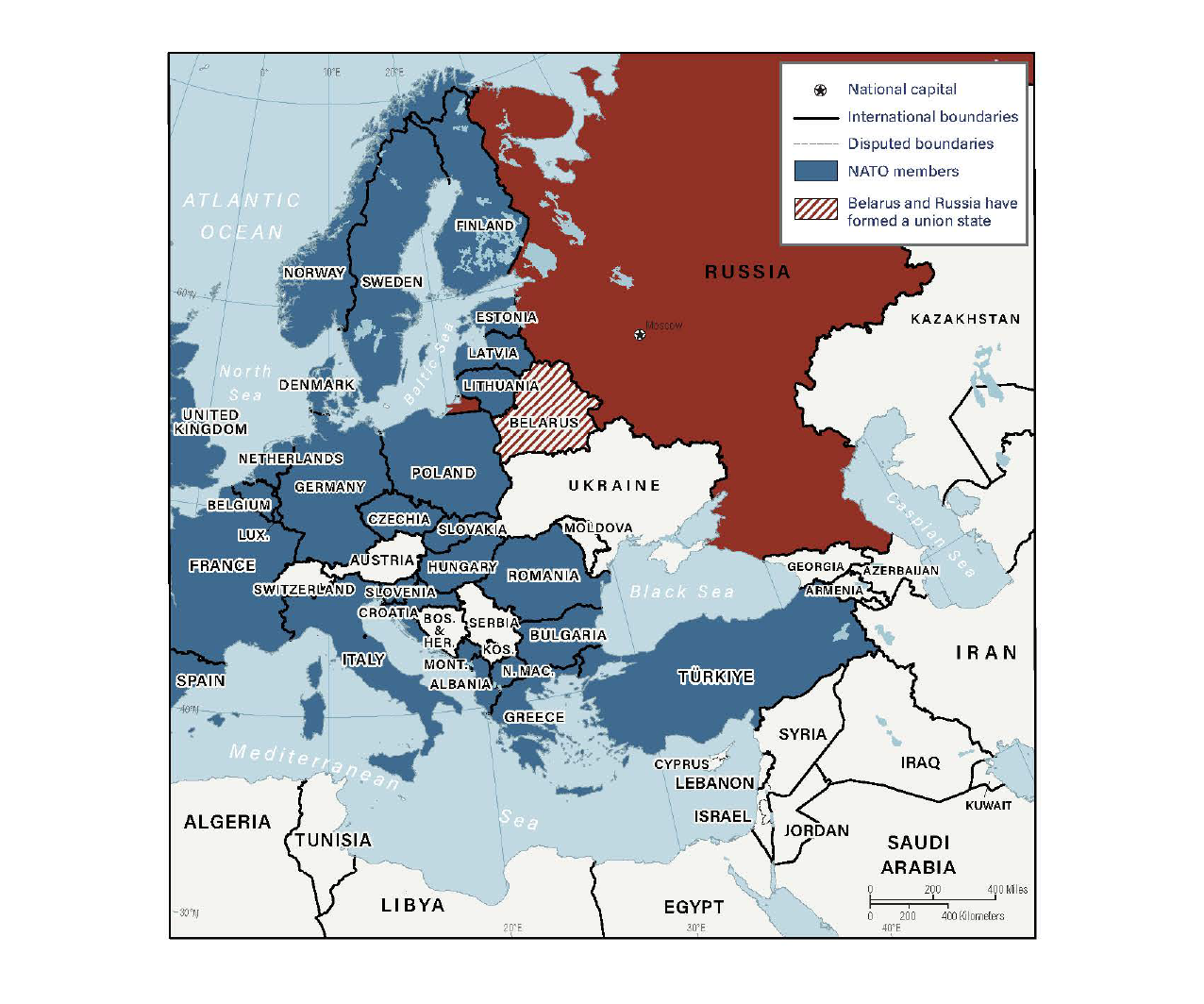
One of NATO’s most controversial strategies has been its eastward expansion.
Countries such as Poland, Romania, Estonia, Latvia, and Lithuania joined NATO after the Cold War. From Russia’s perspective, this expansion represents a direct security threat.
The situation intensified with Ukraine. NATO’s growing relationship with Ukraine became a critical trigger for rising tensions between Russia and the West.
This has led to a broader debate: is NATO purely a defensive alliance, or is it also a tool for strategic expansion?
Why Is Turkey a Key Strategic Member of NATO?


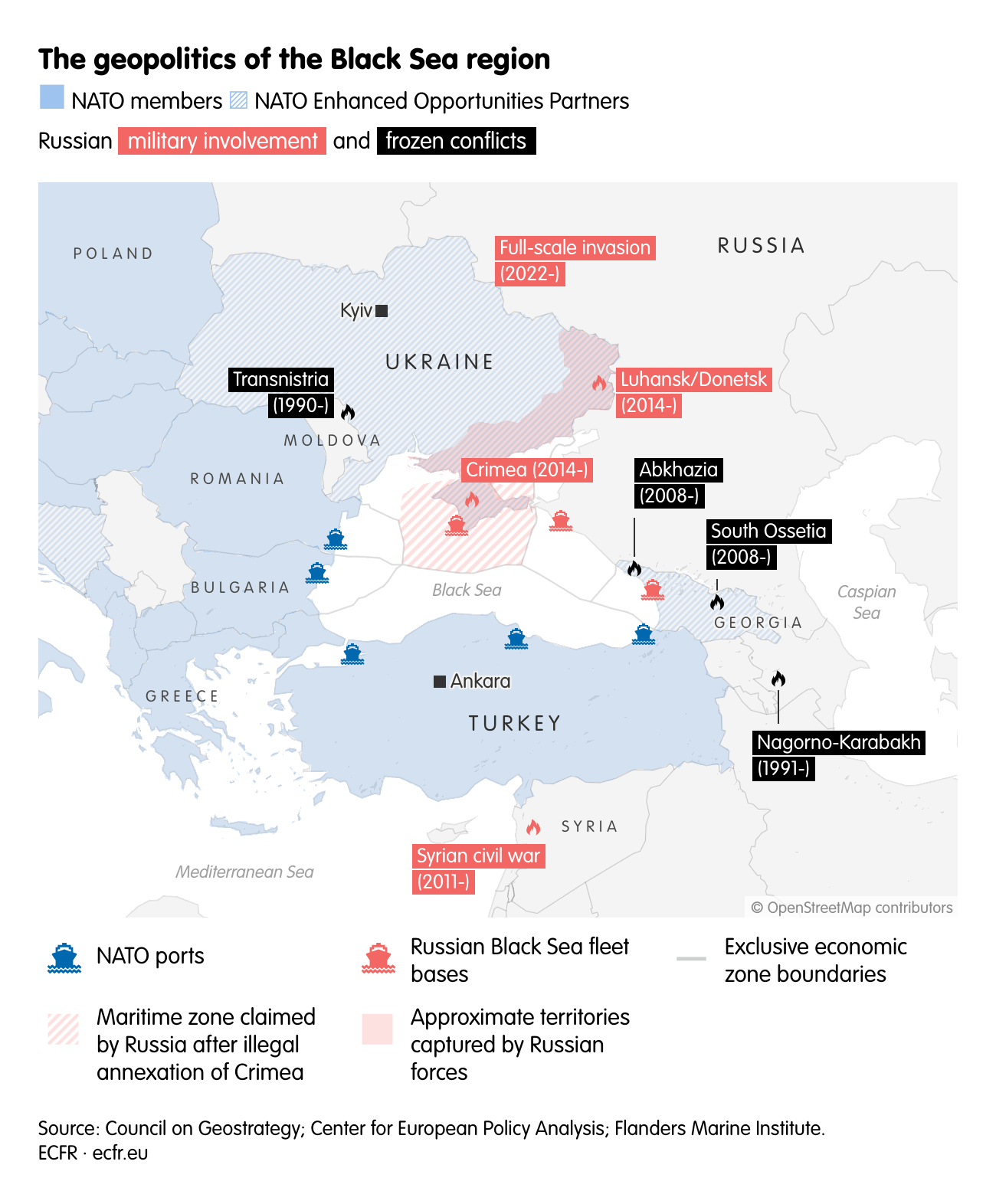
Turkey plays a crucial role within NATO due to its unique geographical position.
It acts as a bridge between Europe and the Middle East, controls access to the Black Sea, and sits along major energy routes.
Turkey also has one of the largest military forces in NATO, making it a significant contributor to the alliance’s overall strength.
At the same time, political tensions between Turkey, the United States, and European countries occasionally complicate NATO’s internal dynamics.
This dual role makes Turkey both indispensable and strategically sensitive within the alliance.
Is NATO a Defensive Alliance or a Global Power Instrument?


NATO’s role today is interpreted in two main ways.
One perspective sees NATO as a strong defensive alliance that ensures the security of its member states.
Another perspective argues that NATO functions as a geopolitical tool, particularly for the United States, to maintain global influence.
In reality, both interpretations are valid. NATO provides collective defense while also shaping political and strategic outcomes.
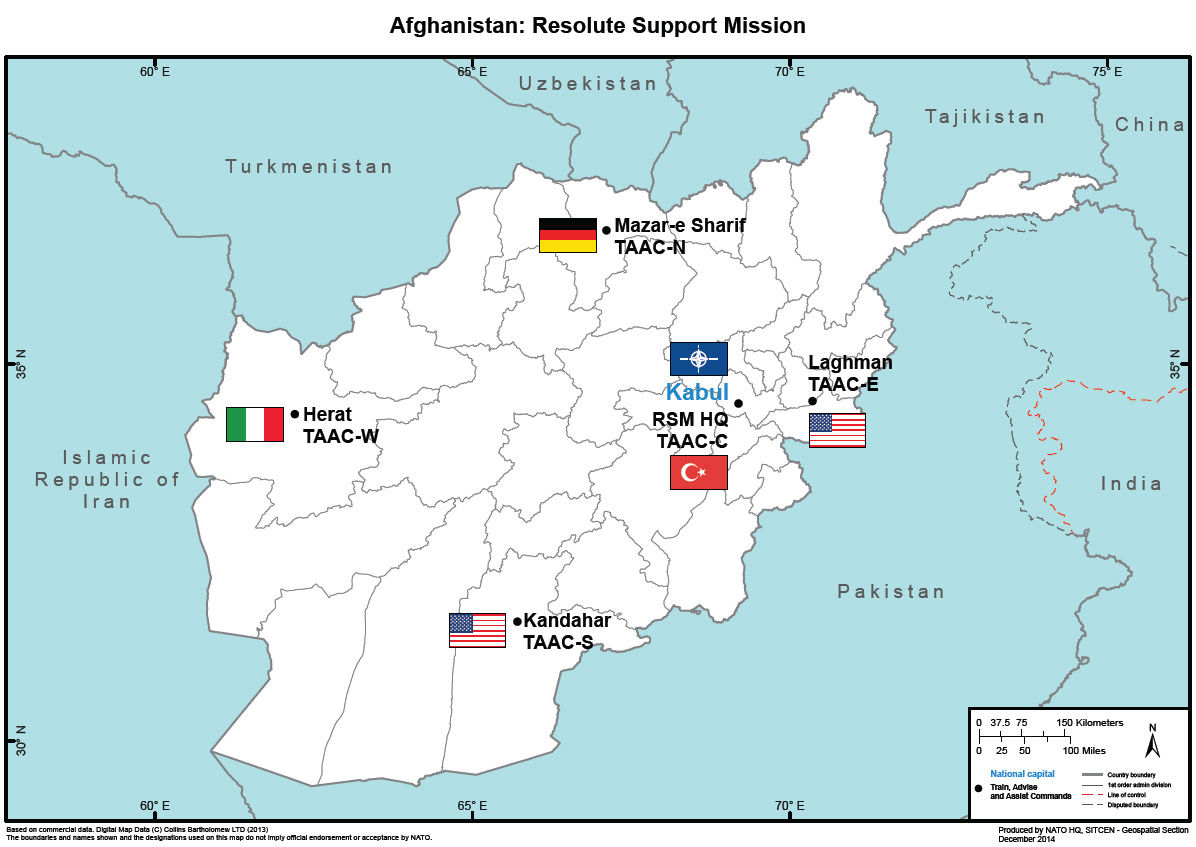
Operations in Kosovo, Afghanistan, and Libya demonstrate that NATO is capable of active intervention beyond traditional defense roles.
Conclusion: NATO Is Not Weakening, It Is Transforming
NATO remains the most powerful military alliance in the world. However, its role is evolving.
It is no longer defined solely by defense against a single adversary. Instead, it operates in a complex environment shaped by multiple threats, shifting alliances, and emerging global powers.
The leadership of the United States, the security dependence of Europe, and ongoing tensions with Russia ensure that NATO continues to play a central role in global politics.
Rather than weakening, NATO is transforming into a more flexible and strategic structure—one that not only responds to threats but actively shapes the global balance of power.

You must be logged in to post a comment.