
Apple Watch vs Samsung Watch: Which Smartwatch Is Better?

Apple Watch vs Samsung Watch: Which Smartwatch Is Better?


Which smartwatch is better: Apple Watch or Samsung Galaxy Watch?
The short answer is that Apple Watch is generally the best option for iPhone users due to its deep integration with the Apple ecosystem, powerful health tracking features, and large app ecosystem. Samsung Galaxy Watch, on the other hand, is often the better choice for Android users thanks to its compatibility, longer battery life in many models, and strong hardware design.
Smartwatches have evolved dramatically over the past decade. What started as simple notification devices have become powerful wearable computers capable of monitoring health, tracking workouts, managing payments, and even replacing smartphones in certain situations.
Apple and Samsung dominate the global smartwatch market. Apple Watch has consistently led global smartwatch shipments, while Samsung Galaxy Watch has become one of the strongest competitors in the Android ecosystem.
In this detailed comparison we will analyze:
- design and display technology
- performance and operating systems
- health and fitness tracking features
- battery life and charging technology
- price and ecosystem advantages
Technological competition between companies like Apple and Samsung is also part of a larger global innovation race. You can explore how technology is transforming the global economy here:
👉 https://myspektra.com/yapay-zeka-ekonomiyi-nasil-degistirecek/
Apple Watch Overview


Apple Watch is Apple’s smartwatch designed specifically for iPhone users. Since its first release in 2015, it has become the most popular smartwatch in the world.
Apple’s strategy focuses on building a tightly integrated ecosystem where devices work seamlessly together. Apple Watch is a perfect example of this strategy.
Key advantages of Apple Watch
Apple Watch offers several strong advantages.
First, it integrates extremely well with the iPhone. Notifications, calls, messages, and applications synchronize instantly with Apple devices.
Second, Apple provides one of the largest smartwatch app ecosystems. Thousands of apps are available through the Apple App Store.
Third, Apple Watch is widely recognized for its advanced health tracking capabilities.
Key health features include:
- heart rate monitoring
- ECG measurement
- blood oxygen monitoring
- fall detection
- emergency SOS
These health features have positioned Apple Watch as more than just a gadget — many people consider it a personal health device.
Samsung Galaxy Watch Overview


Samsung Galaxy Watch is Samsung’s flagship smartwatch series designed primarily for Android users.
Samsung has steadily improved its smartwatch lineup and now competes directly with Apple Watch in several areas.
Samsung Galaxy Watch models typically run Wear OS, a smartwatch operating system developed in partnership with Google.
Key advantages of Samsung Galaxy Watch
Samsung smartwatches have several strengths.
First, they offer excellent compatibility with Android smartphones.
Second, Samsung devices often feature beautiful AMOLED displays known for vibrant colors and deep contrast.
Third, Samsung watches offer strong fitness tracking tools through the Samsung Health ecosystem.
Key features include:
- sleep tracking
- body composition analysis
- heart rate monitoring
- stress level tracking
Samsung also offers a rotating bezel interface on some models, which many users find intuitive and satisfying to use.
Design and Display Comparison
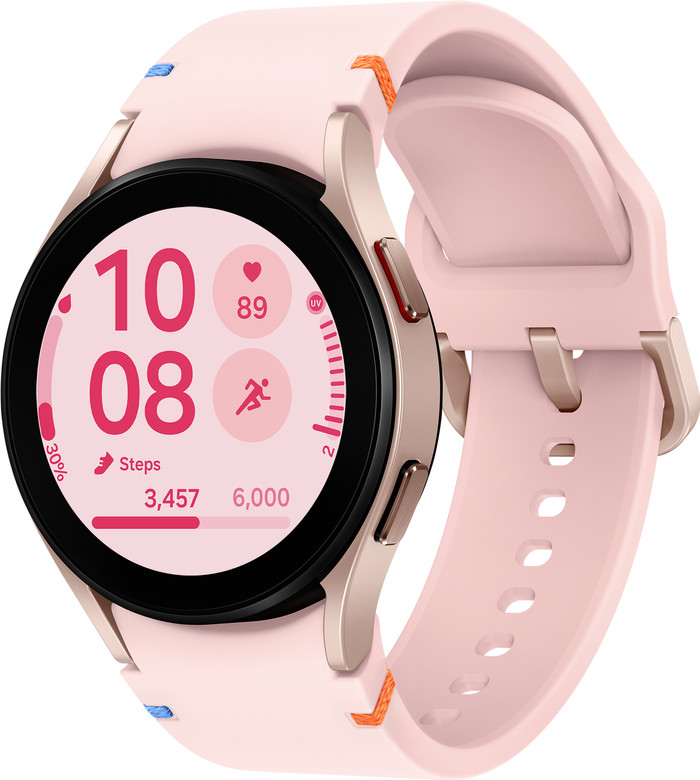


Design is one of the biggest differences between Apple Watch and Samsung Galaxy Watch.
Apple Watch design
Apple Watch features a rectangular design with curved edges. This shape allows more screen space for applications and notifications.
The display uses OLED technology with extremely high brightness levels, making it easy to read even in direct sunlight.
Apple Watch Ultra models are designed with durability in mind and are targeted toward outdoor athletes and adventurers.
Samsung Galaxy Watch design
Samsung Galaxy Watch usually features a round watch face, resembling traditional analog watches.
Many users prefer this design because it looks more like a classic wristwatch.
Samsung’s AMOLED displays are also among the best in the smartwatch market, offering vibrant colors and excellent contrast.
The rotating bezel on some models allows users to navigate menus easily.
Health and Fitness Tracking


Health tracking is one of the most important reasons people buy smartwatches.
Both Apple Watch and Samsung Galaxy Watch provide advanced health monitoring features.
Apple Watch health features
Apple Watch is widely recognized as one of the most advanced health-tracking smartwatches.
Features include:
- ECG heart monitoring
- blood oxygen monitoring
- fall detection
- emergency alerts
- workout tracking
Apple’s Health app ecosystem also allows users to monitor their long-term health data.
Samsung Galaxy Watch health features
Samsung also offers advanced health features.
Some unique capabilities include:
- body composition measurement
- sleep analysis
- stress monitoring
- heart rate tracking
Samsung Health provides detailed reports about user fitness activity.
Performance and Software


Software plays a major role in smartwatch performance.
Apple Watch software
Apple Watch runs watchOS, a system optimized for Apple hardware.
Advantages include:
- smooth performance
- optimized battery management
- large developer ecosystem
Because Apple controls both hardware and software, the experience tends to feel very polished.
Samsung Watch software
Samsung Galaxy Watch uses Wear OS, developed with Google.
Advantages include:
- access to Google apps
- broader compatibility
- integration with Android phones
However, performance may vary depending on the smartphone used.
Battery Life Comparison


4
Battery life is an important factor for smartwatch users.
Apple Watch typically offers:
- 18 to 36 hours of battery life
Samsung Galaxy Watch often provides:
- 2 to 3 days of battery life
Because of this, Samsung devices usually have an advantage in battery longevity.
Price Comparison
Price varies depending on model and features.
Apple Watch models tend to be positioned in the premium smartwatch segment, especially the Apple Watch Ultra.
Samsung Galaxy Watch models usually provide a wider price range, making them accessible to more users.
Apple Ecosystem vs Android Ecosystem
Another major difference between these watches is ecosystem compatibility.
Apple Watch works best with iPhones and Apple devices.
Samsung Watch works best with Android devices and integrates well with Google services.
Technology ecosystems are increasingly shaping consumer behavior. Global technological competition also influences geopolitics and economies, as discussed in this analysis:
👉 https://myspektra.com/dunya-savasi-olur-mu/
Final Conclusion
Both Apple Watch and Samsung Galaxy Watch are among the best smartwatches available today.
Apple Watch advantages:
- excellent iPhone integration
- large app ecosystem
- advanced health features
Samsung Galaxy Watch advantages:
- strong Android compatibility
- longer battery life
- classic watch design
Ultimately, the best smartwatch depends largely on the smartphone ecosystem you use.
If you use an iPhone, Apple Watch is usually the better option.
If you use an Android phone, Samsung Galaxy Watch may be the better choice.
Smart wearable devices will likely continue evolving as technology advances, making them even more integrated into daily life in the coming years.

You must be logged in to post a comment.