
Is Dollar Hegemony Ending? Is the Global Balance of Power Shifting?

Is Dollar Hegemony Ending? Is the Global Balance of Power Shifting?
For decades, the US dollar has been the dominant force in the global economy. But in recent years, a critical question has emerged: Is dollar hegemony coming to an end?
Short answer: The dollar is showing signs of weakening, but it is far from finished. The global system still heavily depends on it, yet alternatives are rapidly gaining momentum.
Why Is the Dollar So Powerful?


The strength of the dollar is not just economic—it is structural.
- It is the world’s primary reserve currency
- Most global trade is conducted in dollars
- The international financial system is built around it
This makes the dollar not just money, but a global power instrument.
The Petrodollar System: The Core of Dollar Power


One of the biggest pillars of dollar dominance is the petrodollar system.
- Oil is primarily traded in US dollars
- Countries must hold dollars to buy energy
This creates constant global demand for the dollar.
In simple terms: Energy demand = Dollar demand
A Critical Development: Iran and the Strait of Hormuz Condition


One of the most significant recent developments involves Iran and the Strait of Hormuz, one of the world’s most critical energy chokepoints.
According to various reports and geopolitical analyses:
- Iran has pushed for oil trade and transit conditions
- that would allow transactions in non-dollar currencies, such as the Chinese yuan or local currencies
Some claims suggest that:
- such conditions have been discussed in post-conflict negotiations
- or used as strategic leverage in regional power dynamics
Additionally, Iran has reportedly considered:
- charging fees for secure passage through the Strait
- potentially restructuring payment systems away from the dollar
Why Does This Matter So Much?
Because the Strait of Hormuz is:
- responsible for roughly 20% of global oil shipments
- one of the most strategic points in the global economy
If oil trade in this region shifts away from the dollar:
- global demand for dollars could decline
- alternative financial systems could gain traction
This would directly challenge the foundation of dollar dominance.
BRICS and the Rise of De-Dollarization
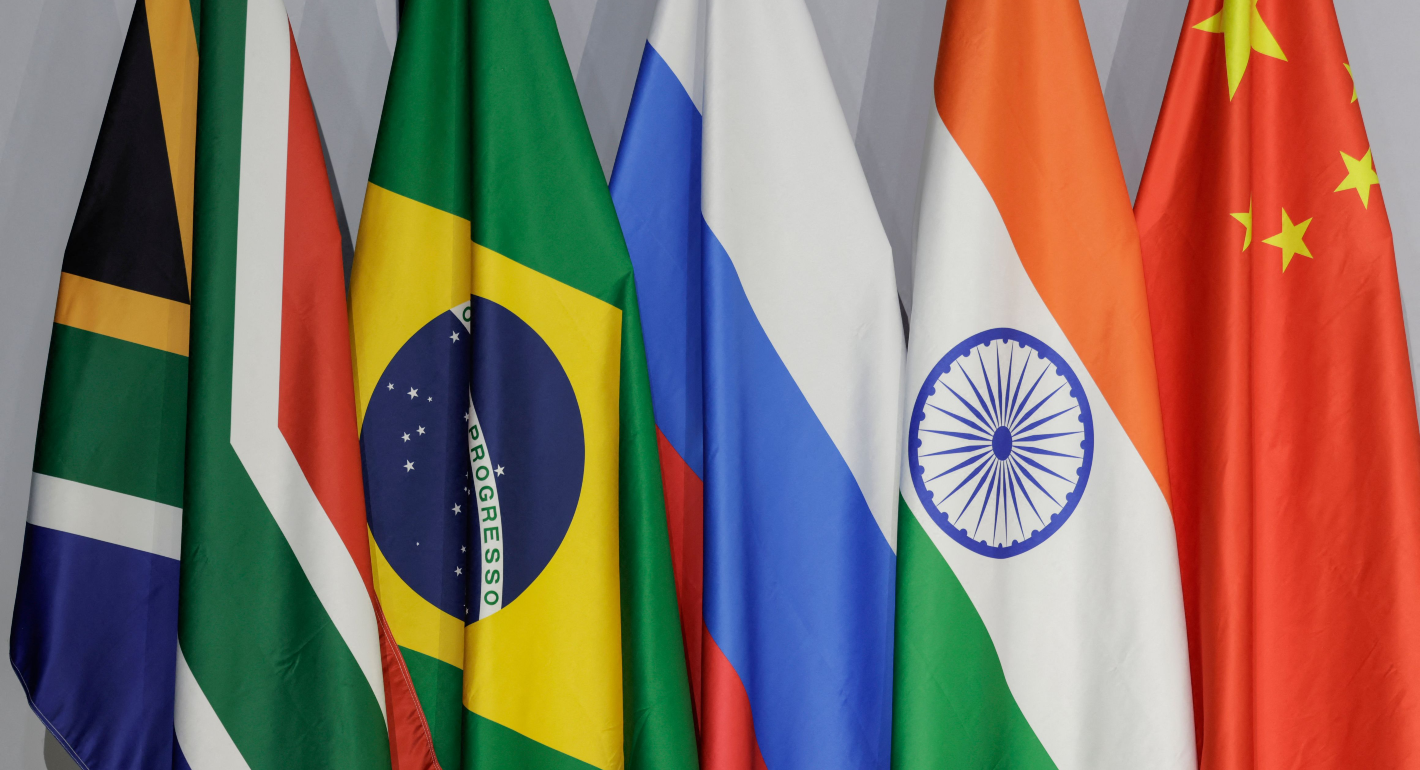


Iran’s move is not isolated.
BRICS countries (Brazil, Russia, India, China, South Africa) are actively working on:
- trading in local currencies
- building alternative payment systems
- reducing reliance on the US dollar
This process is known as de-dollarization.
China and the Yuan: A Real Challenger?


China is widely seen as the strongest challenger to dollar dominance.
- The yuan is increasingly used in global trade
- China is making bilateral agreements in local currencies
However:
- China’s financial system is not fully open
- Global trust in the yuan is still limited
So while the yuan is rising, it is not yet a true replacement.
Is the Dollar Actually Declining?


There are clear signs of change:
- The dollar’s share in global reserves is slowly decreasing
- Alternative systems are emerging
- More countries are seeking independence from the dollar
But at the same time:
- The dollar remains the dominant reserve currency
- Most global transactions still rely on it
So the reality is: decline, not collapse.
What Does the Future Look Like?


Three main scenarios stand out:
1. Continued Dollar Dominance
The dollar remains dominant but gradually weakens.
2. Multipolar Currency System
Dollar, yuan, euro and others share global influence.
3. Digital Currency Shift
CBDCs and digital assets reshape the system.
The most likely outcome:
A shift from a single dominant currency to a multipolar system.
Conclusion: The Dollar Isn’t Ending—But It’s No Longer Untouchable
The dollar is still the backbone of the global economy. However:
- Iran’s strategic moves
- BRICS initiatives
- China’s growing influence
are reshaping the landscape.
The dollar is not collapsing—but for the first time in decades, it is facing serious competition.
The future of the global economy may not be dollar-free…
but it will almost certainly be less dollar-dependent.

You must be logged in to post a comment.