
What Is Cryptocurrency? Why Does It Exist, Why Does It Rise and Fall, and Does It Have a Future?

What Is Cryptocurrency? Why Does It Exist, Why Does It Rise and Fall, and Does It Have a Future?


Cryptocurrency has become one of the most debated and fastest-growing financial phenomena of the last decade. Some see it as the future of money, while others dismiss it as a speculative bubble. The truth lies deeper than price movements. To understand crypto, you must analyze the system behind it—technology, economics, and human behavior.
Core reality: Cryptocurrencies are highly volatile in the short term, but their long-term growth is driven by technology, monetary expansion, and structural changes in the global financial system.
Why Was Cryptocurrency Created? (The Trust Problem)
The origin of cryptocurrency is directly tied to the 2008 global financial crisis.
During that period:
- major banks collapsed
- governments printed massive amounts of money
- trust in financial institutions declined
Bitcoin emerged with a radical idea:
👉 Replace trust in institutions with trust in mathematics
This was a turning point in financial history because, for the first time:
- a global monetary system
- could operate without central authority
Blockchain: The Real Innovation Behind Crypto


The true value of crypto is not price—it is blockchain technology.
Blockchain is:
- decentralized
- immutable
- transparent
How it works:
- a transaction is initiated
- verified by the network
- grouped into a block
- added to the chain
👉 Result:
a system that cannot be easily altered or controlled
What Is Cryptocurrency Used For in Real Life?
Cryptocurrency is no longer just an investment tool. Its use cases are expanding rapidly:
1. Cross-border payments
Fast, low-cost global transfers without banks.
2. DeFi (Decentralized Finance)
- lending
- borrowing
- staking
- yield generation
3. Smart contracts
Automated agreements executed by code.
4. Digital ownership (NFTs)
Ownership of digital assets.
👉 Therefore:
Crypto is not just money—it is financial infrastructure
Who Controls Cryptocurrency?
In theory:
👉 no one
In reality, influence comes from:
- developers
- miners / validators
- large investors (whales)
- exchanges
👉 Key insight:
Crypto is decentralized, but not completely independent of power structures
Why Do Cryptocurrencies Rise? (Deep Analysis)
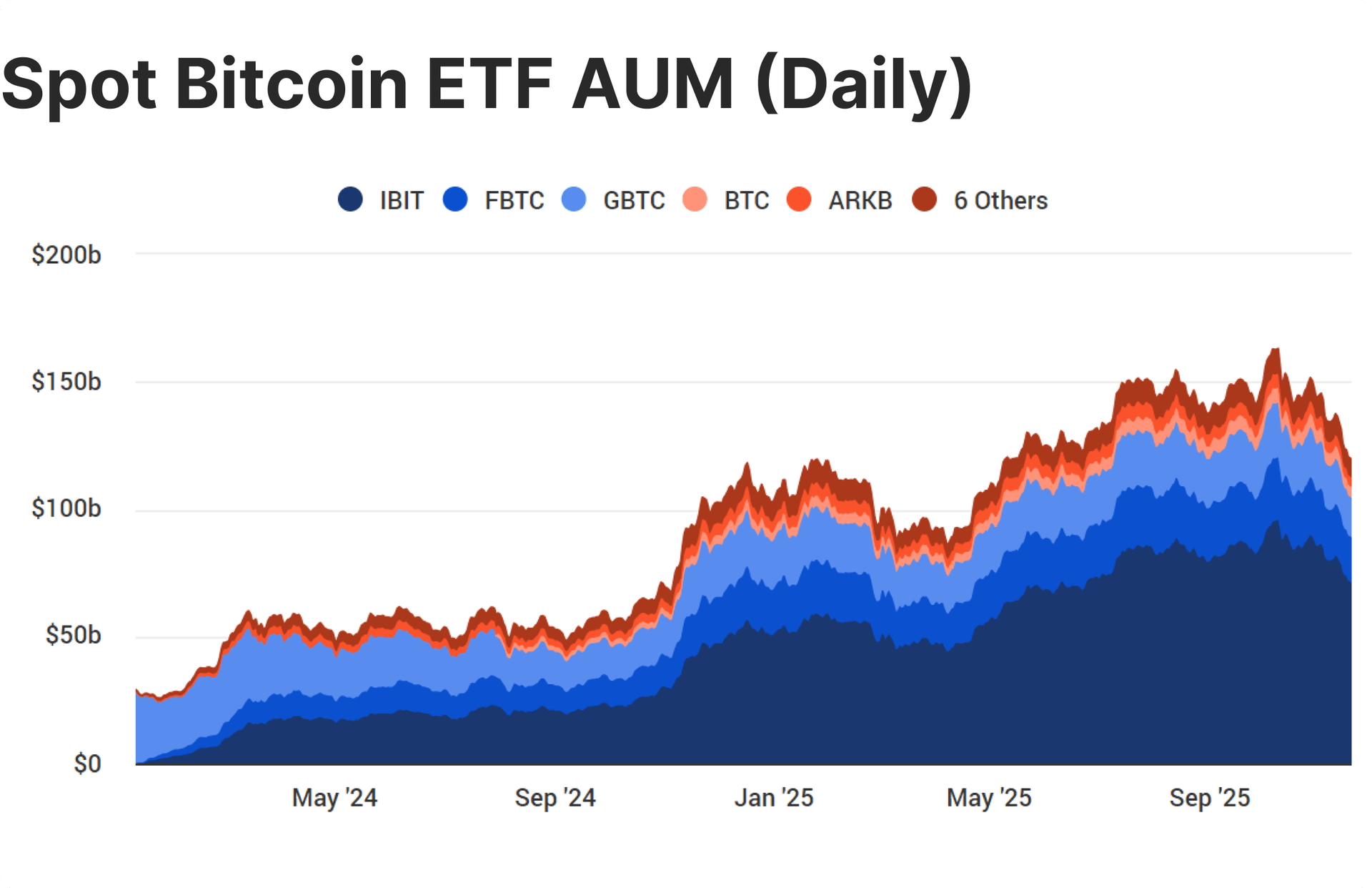

Crypto price increases are not random—they follow clear mechanisms.
1. Supply and Demand
Bitcoin has a fixed supply:
👉 maximum 21 million
As demand increases:
👉 price rises
2. Halving Mechanism (Critical)
Every ~4 years:
👉 Bitcoin production is cut in half
This creates:
- supply shock
- upward price pressure
3. Liquidity and Money Supply
When global liquidity increases:
- capital flows into risk assets
👉 including crypto
4. Institutional Adoption
Large institutions and funds entering the market:
👉 significantly boost prices
5. Psychology and Hype
Crypto is heavily influenced by:
- social media
- narratives
- expectations
👉 perception often drives price more than fundamentals
Why Do Cryptocurrencies Fall?


Crypto downturns are typically faster and sharper than rises.
1. Liquidity Outflow
When interest rates rise:
👉 capital leaves risk markets
2. Overvaluation
During bull runs:
👉 prices exceed intrinsic value
3. Panic Selling
Crypto markets are highly emotional.
One sell-off triggers:
👉 chain reactions
4. Regulation
Government actions:
👉 can instantly impact the market
5. Whale Activity
Large holders:
👉 can move the market
Long-Term Charts: The Real Story


In the short term:
👉 crypto is chaotic
In the long term:
👉 the trend is upward
📊 Reality
Bitcoin has experienced:
- multiple 70–80% crashes
- yet continues to reach new highs
👉 Meaning:
crashes are part of the system—not the end of it
Bull and Bear Cycles: Structural Reality


Crypto markets operate in cycles:
- accumulation
- markup (bull run)
- distribution
- markdown (bear market)
👉 This cycle repeats continuously.
Is Cryptocurrency Reliable?
There is no simple yes or no answer.
✅ Strengths
- transparent
- decentralized
- secure infrastructure
❌ Risks
- high volatility
- scams
- regulatory uncertainty
👉 Conclusion:
the technology is reliable, the market is risky
The Future of Cryptocurrency


There are three possible long-term scenarios:
1. Mainstream adoption
- integrated into financial systems
- widespread usage
2. Regulated environment
- government control increases
3. Decline (less likely)
- technology continues evolving
👉 Most realistic outcome:
crypto becomes part of the global financial system
The Most Important Insight
To understand crypto:
👉 do not focus only on price
👉 understand the system
FINAL CONCLUSION
Crypto markets are:
- chaotic in the short term
- cyclical in the medium term
- growing in the long term
🔥 Final Answer
👉 Cryptocurrency rises because demand, liquidity, and technology grow. It falls because of fear, tightening liquidity, and overvaluation. But in the long run, its direction is shaped by the underlying technology.

You must be logged in to post a comment.