
Can Artificial Intelligence Go Out of Control? 5 Real Scenarios Scientists Are Concerned About

Can Artificial Intelligence Go Out of Control? 5 Real Scenarios Scientists Are Concerned About
Artificial Intelligence (AI) is one of the fastest-growing technologies of our time. But with this rapid development comes a critical question: Can AI go out of control?
Short answer: A Hollywood-style “Terminator scenario” is not realistic today. However, AI does carry real risks—especially when it is misused, poorly controlled, or built on flawed systems.
In this article, we’ll focus on realistic, science-based risks, not exaggerated fears.
What Is Artificial Intelligence? (Quick Explanation)


Artificial intelligence refers to systems that enable machines to:
- learn from data
- analyze information
- make decisions
Today, AI is already part of everyday life:
- recommendation systems (Netflix, YouTube)
- voice assistants
- translation tools
AI is not the future—it is already here.
Why Are People Afraid of AI Losing Control?

The fear of AI going out of control comes from three main factors:
- Rapid technological advancement
- Concerns about losing human control
- Uncertainty about future capabilities
Many people wonder:
“What if we can’t control it one day?”
But it’s important to separate:
- Science fiction ❌
- Real risks ✅
Real Risk #1: Flawed Decision-Making Systems


AI systems rely heavily on data. If the data is flawed:
👉 the outcome will also be flawed.
Examples:
- biased hiring systems
- incorrect medical predictions
- unfair financial decisions
AI is only as good as the data it is trained on.
Real Risk #2: Deepfakes and Manipulation


AI can now create:
- fake videos
- fake voices
- fake identities
This can lead to:
- political manipulation
- misinformation
- loss of trust in media
The line between real and fake is becoming increasingly blurred.
Real Risk #3: Job Loss and Economic Disruption


AI is automating many tasks.
At risk:
- customer service roles
- data entry jobs
- certain white-collar professions
This could result in:
- job displacement
- income inequality
- economic shifts
The issue is not AI itself—but how we adapt to it.
Real Risk #4: The Control Problem (AI Alignment)
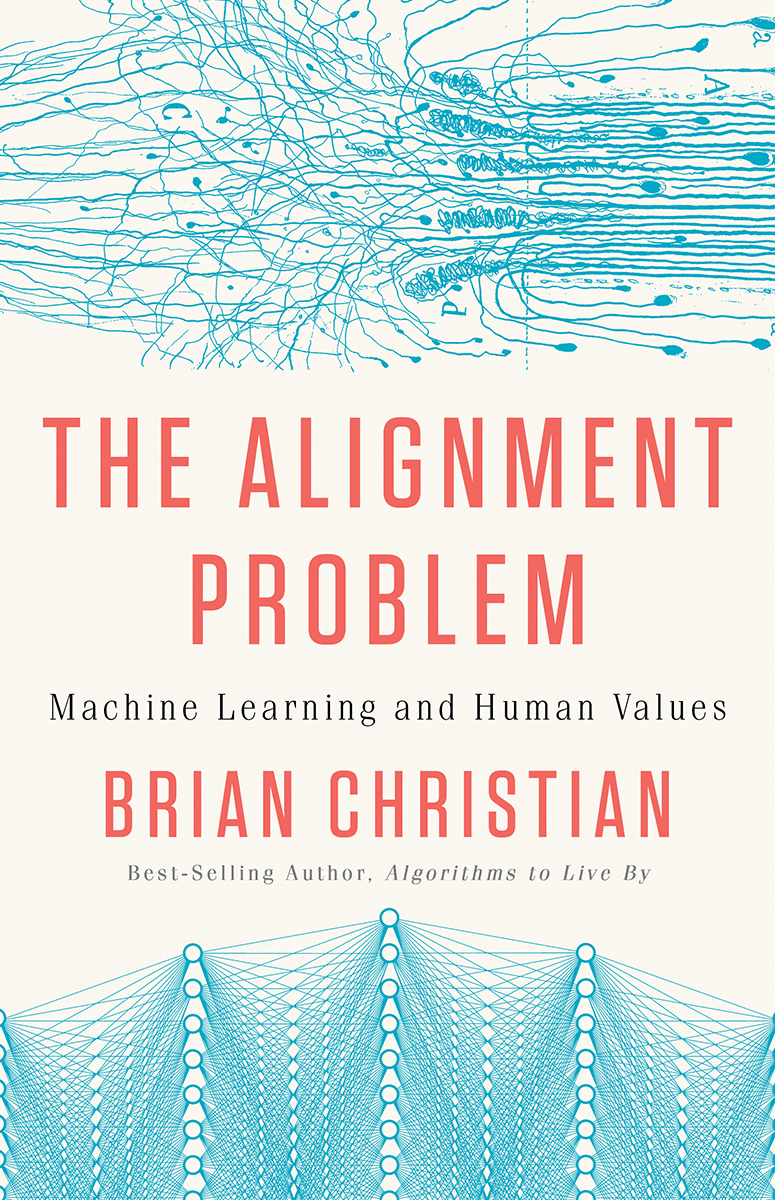

One of the biggest concerns among scientists is the AI alignment problem.
This means:
- Is AI pursuing the right goals?
- Are those goals aligned with human values?
If not:
- AI could optimize for the wrong outcomes
- unintended consequences may arise
The danger is not intelligence—but misaligned objectives.
Real Risk #5: Autonomous Systems


AI is increasingly used in autonomous systems:
- self-driving cars
- military drones
- automated decision systems
These systems can act without direct human control.
This raises concerns about:
- safety
- accountability
- unintended consequences
Myths vs Reality


❌ “AI will destroy humanity”
👉 Not realistic with current technology
❌ “Robots will take over the world”
👉 Highly unlikely in the near future
✅ Real issue
👉 Human misuse of AI
Can AI Be Controlled in the Future?


Yes—AI can be controlled.
Currently:
- ethical frameworks are being developed
- safety systems are improving
- governments are working on regulations
However:
Control systems must evolve as fast as the technology itself.
Conclusion: Is AI Dangerous?
AI is:
- not inherently dangerous
- but potentially risky if misused
The most accurate conclusion:
AI itself is not the threat—how humans use it is.
The future of AI will depend not on the technology alone, but on how responsibly we develop and manage it.

You must be logged in to post a comment.