
Why Is the European Economy Weakening? The Real Reasons Behind the Crisis

Why Is the European Economy Weakening? The Real Reasons Behind the Crisis
In recent years, one of the most frequently asked questions has been: Why is the European economy weakening?
Short answer: Europe is indeed slowing down, and the reasons are not temporary—they are largely structural. Energy dependence, industrial decline, aging populations, and rising global competition are putting serious pressure on Europe’s economic model.
The Energy Crisis: Europe’s Biggest Weakness


The most critical issue facing Europe is energy.
Countries like Germany, Italy, France, and the Netherlands have been heavily affected by:
- Reduced Russian gas supply after the Ukraine war
- Surging natural gas and electricity prices
- High dependency on imported energy
This has led to:
- Factory shutdowns in Germany and Italy
- Reduced industrial output across Europe
- Loss of global competitiveness
Europe has lost its long-standing advantage of cheap energy.
Germany’s Industrial Decline: The Core Problem


Germany, the economic engine of Europe, is facing serious challenges.
- The automotive industry is under pressure
- Manufacturing output is declining
- Exports are weakening
Key reasons:
- Competition from China (especially in electric vehicles)
- High energy costs
- Slow transition to new technologies
If Germany slows down, the entire European economy is affected.
Aging Population: A Silent Economic Crisis


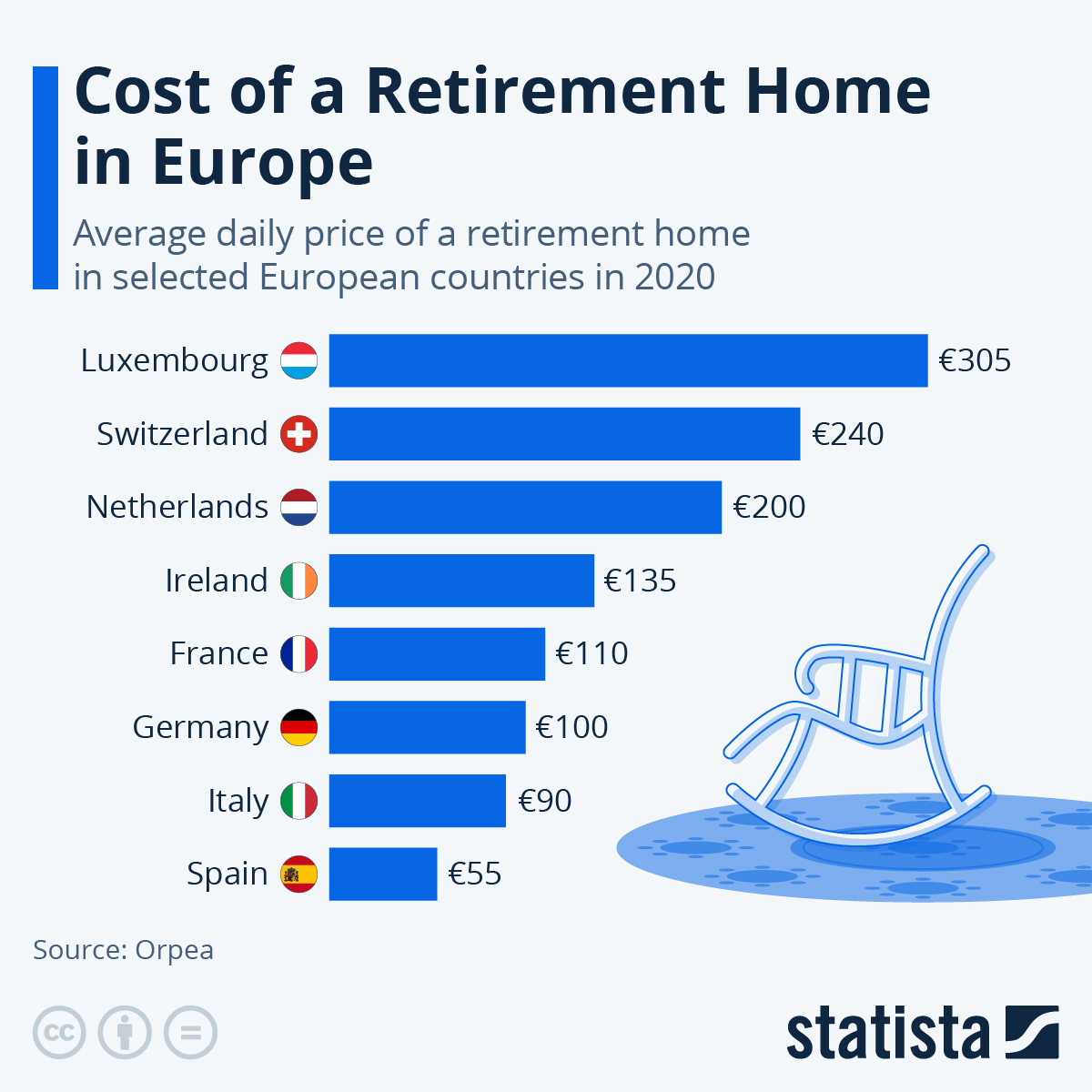
Countries like Italy, Germany, Spain, and Greece are facing a major demographic problem:
- Low birth rates
- Shrinking workforce
- Growing elderly population
This leads to:
- Lower productivity
- Higher pension and healthcare costs
- Slower economic growth
Europe is getting older—and that directly impacts its economy.
Rising Competition from China


China has become a major competitor for Europe.
Especially in sectors like:
- Electric vehicles (BYD vs European brands)
- Manufacturing and exports
- Renewable energy technologies
European countries such as Germany and France are losing market share because:
- Chinese products are cheaper
- Production is faster and more scalable
Europe produces quality—but China produces cheaper and faster.
The Growing Gap Between the US and Europe


The economic gap between the United States and Europe has widened significantly.
The US benefits from:
- Strong tech giants (Apple, Google, Microsoft)
- Energy independence
- More flexible economic policies
Meanwhile, Europe faces:
- Heavy regulations (especially in France and Germany)
- Slower innovation
- Higher costs
Countries like France, Germany, and Belgium are struggling to compete with US tech dominance.
Is Europe Heading Toward Collapse?


Let’s be clear:
- Is Europe weakening? → Yes
- Is competitiveness declining? → Yes
- Is it collapsing? → No
Europe still has:
- Strong infrastructure
- High living standards
- Advanced institutions
However:
Growth is slowing, and global influence is declining.
Can Europe Recover?


Europe still has a chance to recover—but it won’t be easy.
Key solutions include:
- Energy independence (renewables in Germany, Spain, Netherlands)
- Innovation and tech investments
- Structural economic reforms
If successful:
Europe could regain competitiveness in the long term.
Conclusion: Europe Is Slowing Down, Not Collapsing
The European economy is:
- Facing structural challenges
- Losing competitiveness in key sectors
- Growing more slowly than global rivals
But:
- It is still one of the world’s largest economic blocs
- It remains influential globally
The most accurate summary:
Europe is not falling—it is slowing down.
And that slowdown is one of the key forces reshaping the global balance of power.

You must be logged in to post a comment.